Episode 0922:53Season 1
Fundraising Is Fear
Fundraising is fear. Knowing your donors turns it into confidence.
Colleen's first development job started with a front-page story saying her organization would close, and every donor in town mad at them. Years later she has a word for what sits underneath every hard ask: fear.
What you’ll walk away with
- How Colleen’s first development job began: a front-page story saying her organization would close, and every donor in town mad
- The word for what sits under every hard ask: fear of harming a relationship, of a no, of walking in without knowing the person
- What turns that fear into confidence, starting with the color of a relationship that nobody ever tracks
- An Olympian who writes “Dad” inside her spikes, a Chicago Bulls mug, one coffee with one donor and the robotics competition on the 15th
- How a nonprofit found 5,000 prospects in its own data and finally said “we’re ready to fundraise”
Chapters
Transcript
Tap any line to hear it from there.
Colleen
And then I got hired. It was like, oh, cool. Now we got to raise some money. And like every donor in town is mad at us. The thing that
Makes fundraising hard at its core is fear.
Scott (AI voice)
I'm Scott Williams here with Colleen Cook. Today, why asking for money feels so bad? And what changes when you actually know the person?
Scott
Condensed in 60 seconds. Let's go. All
Colleen
Right, let's do it. It won't be
Scott
60 seconds. But alright, so 2015, I start a digital marketing agency. Shortly thereafter, just a couple years later, you join the team. It grows and grows and grows does very well. We ended up doing a ton of work with a lot of universities to help them raise money. And so then we started working with a bunch of other nonprofits with helping them because in marketing, what really happened was, is that we we one time just said, hey, let's help this nonprofit raise some money by using marketing marketing principles.
And it worked. And it also worked for us too. Like we loved it. It was a lot of fun. And you have a very strong nonprofit background.
And so when you were you brought that in, and we brought the marketing piece in and it's fundraising that just worked.
Colleen
I couldn't agree more. So my background, I was a director of development and I was a director of marketing for nonprofit organizations before I came to join the agency. And so like there was this tension for me about I don't know how much we've talked about this, but there's this tension for me about jumping into the like the for profit space because I've always been a nonprofit person. And when you are like getting to work for a missional organization that is serving people, there's this like inherent motivation. And like even when it's hard, there are people who get what they need today because I worked hard and that day for years.
And so it was really exciting to me when we started finding ourselves in the fundraising space and working with so many different organizations, so many schools and so many nonprofits of all sizes, like from very small founder led startups to big, big, big institutions. But the thing that I think is the most exciting to me about the work that we've gotten to do in this space is especially the organizations where it was like ill-fated campaigns, where everything was against them, because that is so often just how it is, is like the cards are stacked against you. And that was how it was for me when I started in my career in nonprofits. I was director of development for an organization that had a failed capital campaign with a million dollars in debt, and the local newspaper had put on the front page of the paper that they were going to close, even though it had not been a decision to make. And then I got hired.
It was like, oh, cool, now we got to raise some money. And like every donor in town's mad at us. It was a bad situation. And we, I watched these board members that were just brilliant leaders turn the organization around in those years. And so many of those principles have really informed the work we've gotten to do with organizations that had like failed feasibility studies or they had leadership changes right as they were going into a campaign or they had donors that were up against them or whatever, whatever it was.
And it really came down to us to like, hey, if you communicate differently and more in these campaigns, like you really hit these campaigns with a full digital marketing campaign alongside them, and then you measure that data to inform the way that you're making asks, everything can change. And so we spent
Song: mad at us, baby
Scott (AI voice)
What makes fundraising so hard? Colleen has a word for
Colleen
Thing that makes fundraising hard at its core is fear. People are afraid of harming a relationship or of embarrassing themselves and experiencing the rejection of a no. And they don't feel confident in the conversation they're about to have enough that they think they're going to get the yes. I think that's number one reason why everybody holds back both staff and board and people who are professional frontline fundraisers. The difference between a professional front line fundraiser who is good and somebody who is afraid is their confidence in that relationship and their knowledge.
So pre AI, we have the amount of data that we track. We might track things, but we may not track them well. So I hear and you hear all the time from people. Our data is terrible. Our data is a mess.
We can't get good reports. If you can't understand your data and you don't trust your data, then you feel incompetent in your knowledge of that conversation. So basically the only things that people feel like they can really rely on is past giving because we legally have to record that for the government.
Scott
Yeah, you can't not do that well and still be around and not be a violation. Yeah,
Colleen
That's it. But all of the color of the relationship lives in context that usually isn't tracked. So before AI, if you had somebody who had been in your organization a long time who knew somebody well, then they are the person that opens the door to that conversation for multiple reasons. One is the familiarity for that donor. But two is because they're going to be able to navigate the nuance of that conversation in a more elegant way that serves that person in a way that they can see themselves in the vision the organization has and feel compelled to be generous towards it. If those things don't happen, though, it becomes transactional, it can become cold, it can become harmful.
It's all of these things. What AI can do is it can allow us to connect so many dots that were disparate before and record and keep track of things that we've never, ever been able to record and keep track of. And use that information to inform those of us who are leading conversations with our donors, not just about our priorities as an organization, but about their priorities as a person who feels called to a philanthropic endeavor. Like if they want to do something in their life that is beyond themselves, we get to invite them to be generous towards that thing in a way that makes a ton of sense for what they feel called to, and what our organization is doing to serve a problem that we mutually care about. Having that stuff tracked, having that stuff, having that information available to us in transcripts, in databases, in Notion, in our AI brain, I think it also can just build our confidence to go into those conversations to know that like, if it's a no for them, it's because they don't care about this in the way that the person who we will talk to next will, but we can feel good about our strategy.
In the way that we communicate with donors. We're based in Ashland, Ohio, and Ashland University, our alma mater, one of our alumni is Katie Nageotte, who is a an Olympian. And she's on pole vault and all that. Well, she put this Instagram reel out this weekend. Did you see this?
So Nike sent her this like hyper personalized set of spikes and they're like her favorite colors and they're like bedazzled and all that, but she's like making this post in tears because she's like, dude, it's crazy to me if they did this, but on the inside of the spikes, on all of my spikes, I write dad and I've been doing it since my dad passed away. And she pulls open these like custom spikes and they had written dad for her on the inside of the spikes. And it just was like that level of personalization. It just was really meaningful to her. And you know, that's who they're trying to target.
If a nonprofit had the bandwidth, they would be like personalizing everything to the exact donor. And they do that for the major donors because they have to, you know, that's how you have a good relationship. But everybody else is usually like, you can't get nearly as nuanced. I just really, transcripts are the answer to a lot of that ground of like, how do you speak to somebody? Well, meet them where they are, pay attention to the things that care about, pay attention to the things that cause them trouble.
Like if they, if there's a lot going on in their life, like pay attention to that signal, don't blast them with a bunch of emails when they're not available to do it, schedule this out, like that kind of thing. I
Scott
Love That. This is where transcription comes in really key because if you're just sitting down talking with people, let's say that you have a conversation with somebody that you just potentially maybe is a new donor. You know, that's awesome. Cool. Be cool. Let's just all talk.
Let's hang out. Let's be friends. We're just getting to know one another. Relationships progress at different rates at different times. We don't need to push anything.
We just need to be attentive. Great. Let's do that. Fast forward six months later, you're still talking to this new potential donor, but now you've known for six months and you've been chatting and you've been like hanging out. Not tons, but like few times and you have a few hours worth of conversation in there and now you're about ready to meet them for the fourth time. And this is the time where you're going to actually ask them to contribute to your nonprofit, to share in the vision, to dream with them.
And in order for us to do that, what we really need is we do need a gift and it's a shared vision that we want together. So I'm going to ask you to do it. Let's do this thing together. What do you think? You know, how do you get there?
How do you enter into that conversation? Go look at the three hours that you have transcribed. Go talk to AI. Go say, hey, this is what today's the day. I'm going to harvest potentially.
You know, this isn't like sowing. This is reaping. You know, this is, hey, I'm going to make an ask. I have a feeling this potential donor and I's heart are aligned. And so if they're aligned, I think that they'll feel very comfortable about making ask.
How do I do that? How do I do that? Go take a look at the database that stores all the conversations and it'll come back and be like, they're a Chicago Bulls fan. They grew up loving Michael Jordan. They did this, this, this, this.
And it's like, oh, dude, great. I actually have an old school Chicago Bulls mug. I'm going to grab that and bring it to him. Just give him as a gift. I think that would be really fun.
Okay, sweet. Then it's like, here's how you can merge from that into this into this into this. So it's a four movement conversation to get you where you want to go. Asking agreements all along the way saying you want this, right? Yes, yes, yes, yes, great. Then let's do this thing together.
It's going to be $50,000, $100,000, a million dollars. Transcriptions, man. It won't know how to help you unless it knows that potential donor and how will it know that potential donor from having three hours of conversation.
A word from our pretend sponsor
You've got the pledge card, you've got the talking points and you've got 45 minutes of sitting in your car rehearsing because the ask can wait one more song on the radio. The Parking Lot may include checking your teeth in the mirror, rereading the same email and driving around the block twice. Not valid once you knock. The Parking Lot. Just one more
Minute. So what
Colleen (AI voice)
Does that look like in real life? Scott walks us through one
A word from our pretend sponsor
Coffee with one donor. So right now
Scott
You go into, hey, I'm going to go meet a donor who's given some money from let's say $500 before, but wealth screening says, hey, they definitely can be giving five to six figure gifts. And so let's go sit down and let's get to know them. But it's something they've avoided, like a somewhat newer relationship. So you're not really making an ask right now. Like you're looking to build.
This is about stewardship. It's relationship growth, like those kind of things. So that's the setup for this, of how AI can work for fundraising for your nonprofit. All right. So you walk in and you say, hey, you're me with them having coffee and just say, hey, I'm doing this new thing with AI, just trying to keep so many things going on that I often say things that, oh, I need to kind of keep track of that. And like, it'll help me track our conversation.
Do you mind if I record? Just say like, yeah, no problem. Okay, cool. And then you just hit record. So anyways, you do that and then you just talk, you just hang out. And through that conversation, this person is sharing, this potential donor is sharing all about their personal life.
They have three kids and one of them is in choir. The other two play sports. One of them is doing e-games, you know, like that kind of stuff. There's a tournament. There's another one.
They do like this robotics thing. And there was a competition a couple of weeks on the 15th. And it was just like, you know, a really good conversation. I had a whole chat. And then you get done.
And afterwards, you have an AI stewardship coordinator. Cool. I just went through that transcript and you got a robotics competition on the 15th. You got this, this, this. And so it drafts those e-mails at that exact moment that says, hey, how did it go? Johnny did awesome in the robotics tournament, whatever.
And it just it actually writes the e-mails and puts them in draft in your Gmail, something like that. And then once that's done, then it also triggers that on the day that it's going to say it should send that it's going to just bring it up. And that's going to be the part of the daily roundup to say, hey, two weeks ago you had a lunch with this person. They mentioned this. We're just sending a quick little follow up.
It's a nurture sequence. You get to send. Click here. Boom. Goes. Opens Gmail. You click send because you can read it right there.
And so you have this like actionable list of things that you're doing that day about nurturing. But that's just one aspect, because then you have a whole marketing thing. You have a whole finance thing. You have a whole this thing, a whole this thing. But I'm only talking about the one that helps nurture that relationship to where eventually you can say, can you give 20 grand to us?
You know what I mean? Because I now realize that we are aligned in these priorities. We want to see this very, this future into the world. We want to create this new, this new life. And you and I are aligned on that.
And I need $20,000 to do that. Are we good? And then we're like, then we can move forward. But it's only because you've been tracking it this whole entire time. And it's helped. Did you see what I'm saying?
And so it's nurturing and it's doing these intentional things. And maybe you're not even that person naturally, but you want to be. Oh, that'd be so good. Build systems around this. Systems that hear and listen, take action, can just be given to it the day that it needs to happen.
On Saturday was the competition. And on Monday, we're starting the week. It's 8 a.m. Hey, I was thinking about you. How did it go? Oh, that's amazing.
Send that. And it's like, my gosh, that person, they really care about me. That's awesome. Yes, this is what relationships are. And it's not fake. It's not sending it without your review.
You're like just having an executive assistant who's like, hey, dude, buy that birthday present.
Colleen
Dude, that's so good. I'm going to sing the other half of that song, which is the like, you talk about the many touches aspect of this in building a healthy relationship about being intentional with those touches, which I think is like it's been a dream for a lot of organizations, but it's not been a reality for most because they just don't have the bandwidth. I think the other piece of that the AI does really well is it allows you to personalize content in such a way. You can be far more intentionally communicative with really, I think, some really cool, innovative ways to engage their attention. So, for instance, one of the clients we're working with, I was talking with them about their case for support, and it's living as a deck right now.
And what we have turned it into is a template that allows them to personalize that case for support ahead of every single meeting to make sure that it's really focused on a strategy that will serve the ask that they're actually going to make. So, like, for instance, they've got an educational program and there's a lot of large database of alumni. And there's one major donor who's been very interested in having conversations about building an alumni network digitally. And they want to approach things and ask about that. Most of the time, you know, if you want to edit your case for support deck, you can do that.
But, like, you're going to go into PowerPoint or Keynote or whatever, and you're going to be adjusting things manually. And you're probably not a graphic designer, so it's probably going to look worse. What I've been really loving from an application standpoint is that within a few minutes, you can have a whole suite of custom, beautiful assets that don't look templated, that look really personalized to that donor and that conversation. If
If Possible Theater
Possible Theater presents The Big House on Maple Street. Betty, I can't. The Big House. What if they say no?
What if it's raisins? It's in the notebook. Every house on Maple Street since 1952. Number 12. Mr. Henderson. Raisins.
Skip him. 14. The Kowalskis. Full-size bars. Compliment the pumpkin. 16. 41 cats. Loves a pirate.
Ask about Mr. Whiskers. I'm a pirate. I know. I wrote that down in August. Trick or treat. Ahoy, Mrs. Pickering.
How's Mr. Whiskers? Oh, you darling boy. He's on the davenport. Take the bowl. The whole bowl?
The whole bowl, dear. And a goldfish. Every pirate needs a first mate. How'd you get the whole bowl? I asked about the cat.
And the
Scott
Thing is, is that you might have this like idea of like writer's block. And personal touches should be personal. So some things are AI, some things aren't. So don't make personal touches AI. But can you use AI to fuel your own human creative personal touch?
For sure. And so you might say, hey, John Smith, what can I say? Oh, they were playing soccer. Our kids played soccer together, blah, blah. Oh, that's right. That's right.
I could say something about that and this. Oh, yes. Perfect. And then so it can jog something. And so you can use it in so many different ways to be personal without stripping out personal. You can actually make it more personal.
You know, if you're not a natural writer, it can help you do that without actually doing it. Because everybody knows it can do it for you. But maybe you don't want that. Maybe you want it to just like get to the edge of that and not actually do it for you. You can help.
Like it can help with it. Like that's actually how I really like to use it is that oftentimes I'm like, I don't know where to start. Oh, that's a cool place. Oh, yeah, I'm good. All right. Get out of my way now.
Yeah.
Colleen
Let it help spark your own creativity rather than like outsourcing your creativity to it. One of the things I look forward to in this coming like age of philanthropy is as people have more and better ways to track the nuance of a donor relationship. Being able to be so much more personal in the way that we steward these people who are investing in our mission and being really just warm with them. The best fundraisers by far are the people that really get to know somebody. And then those conversations become very, very simple ones when there's an opportunity because the relationship's deep.
But you do that when you're when you actually know them. When
Scott
You think about AI and nonprofits and how they intersect, what is the number one thing that you're most stoked about? To me,
Colleen
It's in the intersection between having clarity on what's really happening in your organization and being able to use that clarity to drive action. And so specifically, like in fundraising, I am so jazzed about what you can do. And we've gotten to watch it already happen with people who are adopting early. We had this one client that really just scrapes by annually. It's almost always like a bailout for them.
It's like there's always a couple of big donors who come in and save the day and they make it through another year. And I think so many organizations can relate to this. We talked to them all the time and they used AI to understand their data. It's in multiple different systems. There's a spreadsheet, there's a Zeffy account, there's a CRM.
There's never been a consistent way of keeping track of everything.
Scott
This is probably a fairly similar, familiar story for most.
Colleen
What takes all their time is the programs. It's like serving the people and they don't have the extra resources to hire on the staff to keep on this. And so they live in that tension of like more money would fix their problems, but getting to that more money has just been a blocker. So getting clarity on their list. Dude, they found five thousand high quality prospects.
It's like finding a treasure chest. And then They used AI and we together helped develop a case for support for those conversations. And then we used AI and developed a whole campaign resource for those conversations. It's been really incredible to see how the data coming to light changed the conversation about where they put their energy.
And then having the resources to build the content that needs to go to those donors to build the conversation they need to have with those donors. They have on a call just like a week or two ago and was like, we're ready to
Scott (AI voice)
Question we'll leave you with. If anything were possible, who would
Transcript made by machine from the episode audio, so a few words may be off.
Want help putting this to work at your nonprofit? Talk to us
Start with these three
All 10 episodes
The show
If Possible
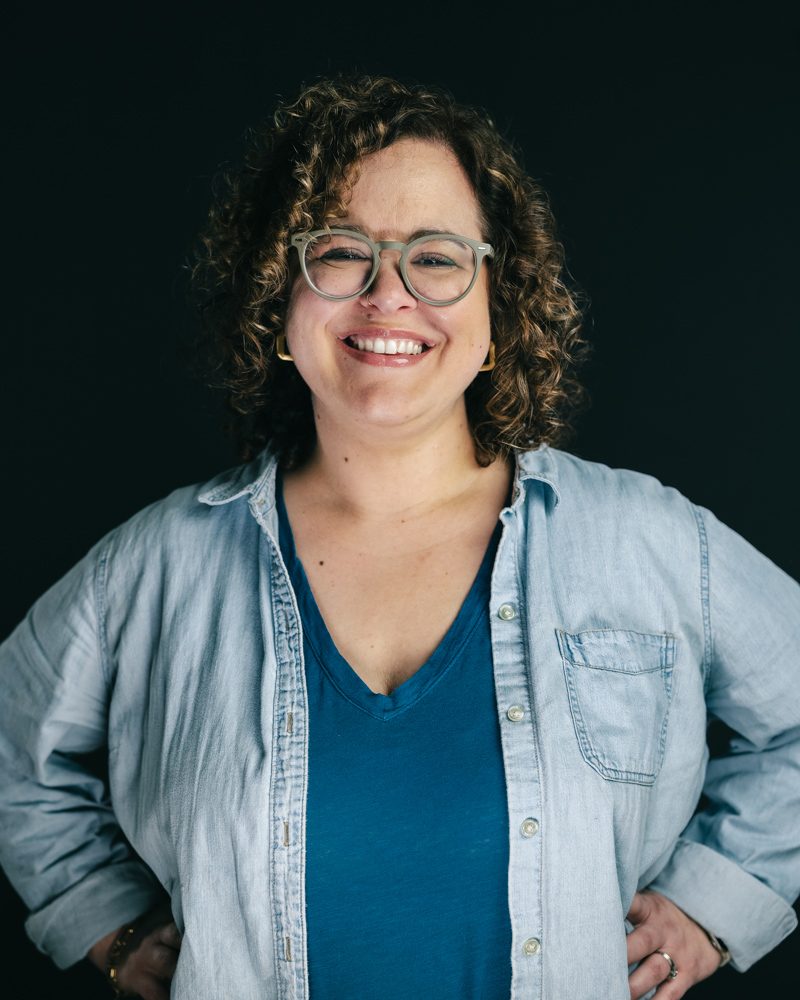
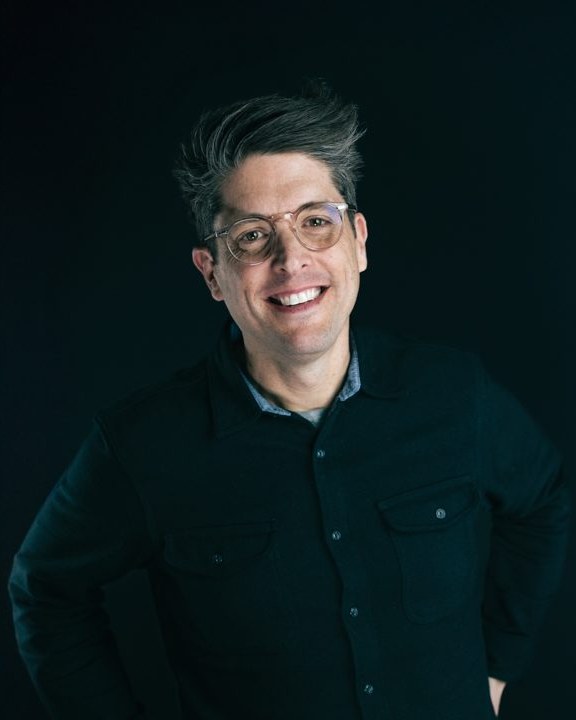
A podcast for ambitious nonprofit leaders who think AI can help their mission, hosted by Colleen Cook and Scott Williams, nonprofit fundraisers who figured out AI. See the whole season