Episode 0328:48Season 1
Hit Record
Your best donor insights are hiding in your meetings
Most of what matters at a nonprofit is said out loud, and we keep maybe a tenth of it. Colleen and Scott don't say a word in a meeting until somebody hits record. Here's why.
What you’ll walk away with
- Why Colleen and Scott don’t say a word in a meeting until somebody hits record
- Why most of what matters at a nonprofit is said out loud, and we keep maybe a tenth of it
- Where their nightly bots came from: one transcript, twelve bots, each one looking for a single thing
- How Colleen’s AI assistant catches the promises she makes out loud and never writes down
- Their answers to the two questions everyone asks: what if people don’t want to be recorded, and is it safe to give this to AI?
Chapters
Transcript
Tap any line to hear it from there.
Colleen
Recording your meetings and using those conversations as data is the number one skill that you need to learn in AI. Basically, one of us walks in the room and we just try not to say anything until somebody hits record because we know that when we come back to it later, we're going to want whatever comes out of our mouth recorded.
Scott (AI voice)
This is If Possible. I'm Scott Williams here with Colleen Cook. Today we're talking about the one AI habit we never skip. We hit record.
Colleen
Right. For instance, you and I just made some business decisions. We had a quick conversation about it. And instead of me repeating that conversation as I type it out to my AI to go do the work, I just said, "Hey, go pull the conversation and go fix this." It's that simple because it has all of the existing context in the brain.
Scott
The one thing I just wanted to just add to that little anecdote is when we were talking, I was recording it. And when I was recording, because I just, we were talking about things that was just like decision, decision, decision, do this, do this, do this. It was just a quick little like, what are all like the 25 things that we all need to do? Let's go. Boom. Huddle. Break.
Go. And so that's what we did. And halfway through that Colleen was like ripping off, like, all right, it needs to be this and this and this and this. And I got a call on the same phone that I'm recording the conversation. What happens on an iPhone is it pauses the recording until I mute it. Then I mute the phone, phone call ring, and then, then it will come back.
So I missed like seven seconds of Colleen talking about things. I got so annoyed at that moment in those seven seconds where I'm like, "Can you just repeat what you just said for the last seven seconds because this thing didn't record it." And I for sure am not writing this down. Are you kidding me? Like, so that's the dumbest thing.
But yes, that's what happened right there when I was like, "All right, cool. This is just the new way we work, right?" Is that you just transcribe it and then it catches it, puts it into view. Like, it's a whole bunch of things now that I'm like, "The recording of you saying this was really, really critical. You and I run an agency.
And this agency, since 2015, is when the agency started and we would make some really amazing stuff." And what we would do is we, 2015, 2016, 2017, like early, early, early, before Otter, before AI, before transcriptions were a real thing, we employed project managers. And then project manager had an account manager and the account manager then had a strategist. So it's like all of this human capital on this one thing, but now as project managers, oh, main reason, a huge part of what they did, like a good chunk of it. What's the percentage?
What would you say the percentage is that they had to type out notes of their job? Probably
Colleen
50% of their job was just note taking, note cleanup, and then transferring that note into other communication channels.
Scott
Yes. And then saying, and then communicating to their client, like, "This is what we talked about. Here's what's next steps," like all that kind of stuff. Half of a job, dude, half of a job, like was just this. And we had several people on the team. So we're talking about probably a couple full-time people, in essence, that are just continually working with notes, transcribing notes, not transcribing notes, but it's just like making meaning out of the notes and like what needs to happen.
And then going into ClickUp and our project management software and just all of this sort of stuff. And what changed for us, what changed for me in my heart was the fact that I can either write this down, I can type it out, I can try to make meaning of it, or I can just talk about it. Like I can just sit down and talk about it knowing full well that it's recording. And then after the recording, it is then going to give me not, okay, so here's the thing, dude, is that Otter will give you the transcribed notes. It'll, it will give you the actual transcription.
It will give you the summary. Do you ever look at the summary? Very
Colleen
Occasionally. I
Scott
Almost never have or have. I think one time I was just like, oh yeah, yeah, this is okay. Because the reality is I don't actually care about the summary. What I care is, because I was there, I can summarize it myself. Do you know what I mean?
What I need is the seven things that I need to do from that. You know, it's listening to all of it and then saying, here's what you need to pull from it. So I now have the full context, but the one thing that I don't have to really dial in on is the seven things. And oh, by the way, who I am, oftentimes I will write down six things I need to do, you know, and then that seven thing will be like, oh, I missed it, shoot. And so this is where I get more accuracy, more poignancy.
I get really sharp on stuff. I also am able to concentrate fully on conversations as opposed to trying to context switch, like where I'm always like 10 seconds behind typing something out, like that kind of stuff. Everything's been a complete mind shift. What about you? Yeah.
Colleen
I love what you just said about concentrating fully. Cause I think that that, I think that concentrating fully is the thing that is the most valuable add of recording meetings is like, I don't worry about, are we going to get. Everything recorded, but what I love about using the data is that I can come back to that same conversation as if it just happened even months later and pick up where we left off. And that to me is really valuable in the work that we do as an agency for sure. But I think it's really valuable to a nonprofit relationally too, because a million things happen and you're in your week and your awareness of context and detail suffers as time moves on.
And so being able to jump right back into what, where do we leave off? What did we say? Why did we say it? And how has our thinking progressed since that time? I think it's just valuable seeing it inform the work we do is way more valuable.
Song: seven seconds
Colleen (AI voice)
Recorders. I wanted his first impressions.
Scott
Okay. So here's the deal. We've been talking about, we think the conversations are really key in the age of AI. And so it's the idea that man, there's all this data that's flowing in all of these normal data pipes of, you know, software. They have their databases. Everything can kind of connect to whatever.
And we're just saying like, humans are doing the same thing that we're connecting with one another with conversation, but that's our way we speak. That's how we communicate. That's
Colleen
A really, I had not thought about that that way. I love what you just said. Uh, that our, our, our API connection, our MCP connection is conversation. It's a good point. That's
Scott
What it is. And so if you think of it that way, we have computers talking to computers all the time and they're conversing and then humans talk to humans and they're conversing. It's just that we do it through talking, they through it, do it through API, whatever. And so here's the thing is that when we talk, the difference is, is that we let 94% of it slip through our brain. 95%. I mean, like how much do we not comprehend throughout the day? No,
Colleen
You're right. Yeah. It's like, we can only hold so much. Like we glean what's meaningful to us out of a conversation and we miss most of it.
Scott
Yeah. We barely keep summaries in our brain. It's just like a few, you know, to do items like that kind of stuff, um, stuff that we take away from it, but there's so much nuance that just falls to the floor. Like there's so much that we just don't carry with us into whatever we're doing next because data slips all the time. Again, APIs, community, they're always talking. We are always talking, we just don't do a good job of retention.
And so that got me thinking like, Oh man, I wonder if we could just retain all conversations all the time. And then we take those conversations again, cause it's just about communication. It's just about holding onto something and then doing something with the data later. The first thing is how do we connect? How do we get the data?
How do we hold it? How do we store it? That kind of thing. So the thing we've been doing for years is this, it's a phone. And what we would use is we've been using Otter.ai.
So Otter is our transcription service and that's awesome. Uh, I have it on my phone. You have it on your phone, anytime we have a meeting, we just trigger it. Boom, we're recording. Awesome. When I go home, I don't, you know, like I don't record conversations at home.
I don't, and part of the reason is it's just a little bit of a, it's cumbersome, you know? And also, I don't know, there's a lot of people in my life that I would like to keep up on. I would like to keep track. Like I would like to do better at communicating with like, there's a whole host of things I want to do better at. And I feel like if I had the data, cause no, most people have 90% of this stuff slip through, but I have like.
99% of the stuff that's slipped through. So I need something to hold onto it. So there are so many new recording devices that have been coming out recently with AI kind of built, built into it. So I bought several of them and I'm testing them out. So let's just briefly talk about each one.
And This, this one is really tiny. It's called Omi. It kind of looks like it. It's really small.
It's like an AirTag because it's this dangly thing. What am I supposed to do with this? Like, do I wear it? Do I wear it? Like, I'm not going to do that.
I'm not doing this. Do you know what I mean? Like where do I put this thing? Yeah. So I put, I got this tiny little bracket and I was like, can I just hang it off for the loop of my pants? And I was like, let me do that yet.
So I did that yesterday and it kind of worked, but it also came off. Cause it's not made for that kind of thing. Um, they also, you can put it in like a wristbands, but I don't want to, like, I have an Apple Watch, so I don't want to have an Apple Watch here. And then another one over here, like that seems crazy to me. So that's a no.
Colleen
That was my next question is like, where, where do the transcripts ultimately land and do you like what you're seeing from like an output standpoint?
Scott
Yeah. So I'm early on that. So here's what it is. Um, what I really want to happen. Uh, and I just set this up. I haven't even tested it because I set it up last night and I set it up for late, like midnight.
Here's what I want to do. This is, this one's called Memoket, M E M O K E T. What I set this one up to do is to go late at night and put it into Notion. And my Notion is my second brain. And so everything gets stored there.
Then I haven't done this yet, but the thing I'm willing to do is I'm going to have Claude go into Notion and then make meaning out of it. And then I'm going to have a lot of bots come in and like, take a look at it. Like, I want to, I want to know a lot of things, like I want to, I just think having some really good insight into my life through conversation is just, it's been a fascinating experience. I want more of it. And so that's why I'm like, Otter may not be enough anymore, even though I'm recording for hours a day.
I wonder if I can record most of my waking day without having to think of it. And then just AI goes in at night and it's all automated and I don't really think of it other than I have to, I have to turn on the device in the morning and then I have to turn it off at night. Does its thing outside of that. And then I just get insight. That's the idea.
This
A word from our pretend sponsor
Episode of If Possible is sponsored by The Napkin, The board meeting, the donor lunch, the big idea in the parking lot. Where does it all go? On the napkin. The napkin is not a filing system.
Do not wipe mouth with strategy. Ink may run. Napkin may be cleared by a busser at any time. The napkin. It was right here a minute ago. Go back To our very first day
Scott (AI voice)
In the studio. That's when I told Colleen where the nightly bots came from. If
A word from our pretend sponsor
We were to think about all of the context that just
Scott
Kind of slips through our fingers throughout the day. Through conversation people around us in business truly like just think of all the stuff that we talk about in passing you know and what if every single bit of it was captured again just for AI purposes just for like targeted like truly targeted things. And this is where the idea ultimately came from just to recount it here is where it all started was just hey we're learning how to talk about If Possible. If Possible is a company that we started to help nonprofits do amazing things with artificial intelligence raise a ton of money because Of that I thought man we are talking about this all day long.
Colleen and I like we are having conversations and others around the office just to say hey what is this If Possible thing what is this AI thing how can we speak about it what's the positioning like what's what is it like what are the analogies like all of these kind of things. And we're just continually and I feel like we are we've been in a recording company like an audio meeting transcription recording company for years. Ever since like 2020 I think is when we were looking back with one of the first ones on Otter.ai and so just to capture things and then be able to do some things with that transcription and so I thought man we're doing this all day long. We're constantly transcribing all of our conversations why don't I have every single night just a bot go and grab those transcripts and just look at it for one purpose and that one purpose on every conversation that I recorded throughout that day is that I would only have the AI look for one thing and one thing only and that one thing is how do we talk about AI how do we position it what's the language what are some analogies what's the stories that we're telling like it's all of that kind of stuff and I called this. But it was also like how are we talking about our brand If Possible do you remember the phrase that you said Colleen that kicked this whole thing off because when we were when we were in the thing you said what was the phrase I
Colleen
Don't want to do that yeah
Scott
I don't want to do that it's this idea I want to get a sticker that says I don't want to do that not all work in 2026. It requires a human being anymore that I can do a lot of this work and so if you have a thought that says I don't want to do that that's a good place to start for automating some artificial intelligence sequences and so you said I don't want to do that and I thought I want to do a sticker on that and then I thought well sure we can write that down but why do we have to write that idea down. Why can't we just say that out loud why can't we just like we know we're recording why can't I just build an AI employee to constantly go back into recordings on a nightly basis for every single thing to look for one thing and one thing only and that is cool ways we talk about the stuff we do. That's really all this is what is the coolest way to say all the things we say and then I thought hold on a second why does it stop there why can't we just have one bot go into the same transcript that one transcript and then like 12 bots go feast on one transcript you know and then they just and they only those 12 bots have a singular purpose on each one of them in the same way the brand is like we say cool stuff about these cool things what are those cool things let's store them. Well there's another bot that's like the the time tracking true up something like that where it's like all it's doing is hunting all the transcripts for talking about time tracking and then it has some sort of thing you can do whatever you want this transcript thing is like endless the amount of stuff that you can do with this do you see this.
Colleen
Yeah, I think another place where I think a lot of people stop themselves as they think that they have to have really clean data before they do anything else and usually the difference between your track data and reality lives in somebody's brain and there's tons of conversation about it. It's like a known thing it lives in the air it doesn't live in the system and like you can clean up data and you can use junk data if you've got the right context for how you normalize it into the right answer so like time tracking is a perfect example of this of if you know that like at our agency for example, Colleen Cook only tracks retainer time where it has to be tracked in Harvest then you don't assume that she's only worked three hours this week you understand oh there's a ton of blind spots here normalize that as you're analyzing this data and and use that analysis within context the way that a human would when they were looking at it same goes with your CRM same goes with any anywhere else where you think you have bad data.
If Possible Theater
If Possible Theater presents Table Nine good evening I am Maurice in 31 years I have never once written anything down splendid the duck sauce on the side my wife can't have nuts and mother wants what she had in 1962 write that down Maurice write it down Eddie does a concert pianist read music yes Table Nine. One duck nuts and 1962 waiter a goldfish in my soup voila the duck covered in nuts and for mother a calendar oh it's April duck sauce on the side no nuts and in 1962 she had the meatloaf Eddie how could you possibly remember all that I didn't I wrote it down. I taught Him that.
Colleen
Haven't really thought about recording conversations outside of the ones that I'm intentionally recording and just like it like following it through the day like what are you hoping to discover out of these insights like what are the questions that you're ultimately like looking forward to seeking answers for.
Scott
Yeah I want to see like rhythms of things I want to be able to just speak out what I had for dinner without being intentional about it do you want to mean just get into a rhythm of speaking out a few things so it's like hey I had this for dinner and then that's it I don't have to record anything because I just recorded it you don't say it's harvest season we have a little tiny vegetable garden we have a ton of tomatoes so every time this time of year what can I make this tomato meal. We do this caprese lasagna it's really good but she also does she did this like tomato bake thing I know it was but it was like tomato mozzarella egg whatever it was really good she and I were talking about it while we were eating it you know what I mean and it was like it's like 20 seconds and she's like yeah I found it on this whatever and I thought it was interesting and all of this is getting stored and so now what I'm saying is is that now I'm going to have a bot yeah I'm going to build this here in the next couple days but I'm have a bot that's going to go in to the nightly recording after midnight. It's just going to go put it into Notion then I'm going to have Claude go into Notion and say I want you to organize it and a bunch of bots are going to go and feast on this transcription from the day and one of them is going to be a food logger you know. And it's just only going to go and look for in the transcript is there anything that talked about that's food like that what did he eat and then it's like oh well then I'm going to take that information and then I'm going to go into Notion into a database that's already started up that just talks about we're tracking what Scott ate and all of this is happening underneath we don't have to do anything. I don't have to open an app I don't have to track macros or whatever I'm just talking dude imagine that plus everything like I okay another one I go throughout the day and this is something that's particularly bad for me.
This is true for we go throughout the day and we are making promises throughout the day we were saying I will do this I will call you back I'll text you I'll do this whatever these tiny micro things we all have ways of tracking that we have to do apps like we have all this kind of stuff. You know what I mean like why can't we just say it
Colleen
Out loud. Right and if again going back to your idea here of like conversation is like an API connection of like what are you being formed by and it's just yeah it's this I love what you're saying because you're you're basically just saying you're inviting this AI assistant to walk alongside your day be the awareness. Yeah it's the awareness yeah it gives you awareness over the things that you are subconsciously or like unawaredly allowing that conflict with your actual intentions and.
Scott
A silent observer yes I think that there are endless possibilities truly if we were to able if we are able to capture all information that happens throughout the day. As it relates to the audio that you can hear you know I think that people are communicating way more that we are speaking out way more that we are becoming something that's fairly unintentional so much of our life and if we had something that was a silent observer just sitting around listening. And then I love
Colleen
What you're what you're getting at here because I think that when we think about like one of the things that I think is a little bit dangerous about AI usage is that for those those of us who get caught up too much chat it's a mirror and it can create this like very sycophantic like echo chamber tendency in us but. If you allow it to be honest with you because it's like reading data it can it could be a mirror in a really helpful way a mirror could be a really helpful thing because it allows you to see something that you're not necessarily being honest with yourself about. So I think the key to those boxes like being very clear on what your goals and intentions are and how you want to live your life has say like be direct and be honest with me when I'm when I'm stepping outside of that and help me to see the things that I'm doing I love that I that makes me want to do that because I think that if I am limited to the conversational data that I am intentionally I will miss a lot. What you said about promises that you're making and walking away from and forgetting about I was just talking to somebody about this yesterday and I just this week change something in my AI executive assistant as it relates to this like I think one of the things I think that's a really like human thing of like we commit to something and if it doesn't have a mechanism or a home unless our brain is really good at holding that information or if there's something that like made it stand out. It's easy to forget that we committed to something so go read all my sent messages and make sure to listen specifically for commitments and promises I make in conversation when you send my morning briefing like remind me about those things that haven't found a home in either like my project management software or some other place to make sure that they actually are actionable and like the improvement on that morning briefing is substantial.
It was chasing me down about three things yesterday that I said out loud one of which was like I committed to making slides for a workshop that we're giving next month and I didn't write down anywhere I went on to the next thing and it was like hey just a reminder there's no home for that I was like thank you you just did your job AI employee like that is awesome go put it in my task list so I don't miss it you know. I'm
Scott
Talking about like I just think that this is going to be if you have a device if you have some way to get all of this data and then you have a system that can make meaning of that data I think that that's incredible and that's really what we're talking about here is that there's data in the conversations and there's now exists a way to see meaning out of your conversations you're happening throughout your day business anything in between and it can really start to give you a different perspective on your life.
Scott (AI voice)
At first Colleen has heard every worry about
Colleen
We always get when we talk about this I want to just like knock them out quick here which is what if they don't want you to record no problem don't record then and get in your car and debrief it on your drive back like the when it is fresh in your mind your brain recognizes a lot of these things but you don't always give yourself time to like reflect on it so like pay attention to people's privacy be be transparent with what you're doing. But a lot of people are using this in their business life now and so I think it's it's safe to say there's a lot of people who are going to get more comfortable with you using this then that was even the case a few years ago when it wasn't as common. So like be transparent but use your use your drive back to to brain dump at worst. Morally
Scott
Just like are you being a good dude you know like that's the question you need to ask here and so yeah when you're walking into conversations then let people know hey we're going to be recording this is that okay you know obviously ask for their acceptance level are they feeling comfortable with it that kind of stuff also just explain what you use it for because really it is just about helping you do good work moving on so it's not about like we're just going to grab a few these things and like it just helps us do our work and so. That's just an easy way to explain it. I think I don't know I don't believe that I've ever had somebody say no. Have you ever had somebody say no to a transcription. I have yeah
Colleen
No I have once or twice but again it's rare at yeah maybe one out of 100. The second thing that I think people get nervous about and I think this is just a lack of understanding about what you're buying when you pay for AI. They get really nervous about giving that information to an AI because I think there's just a lot of fogginess for a lot of people around data privacy as it relates to AI. So something that's true with a large language model like ChatGPT or Gemini or Claude is that their model advances based on user data that trains the model in part it's not the only data that's training the model, but it's one of the inputs. The way that you get out of that agreement is by paying for AI and so at different price tiers they give you the option to opt out of training their models and then like on teams plans and enterprise plans it's off by default.
And so if that's a place of like concern for you it's number one I think it's just important to be paying for this tool because there's a lot more that comes for you from like both the usability standpoint as well as a data privacy and protection standpoint. Go look at your settings and turn off training the models and that's where the concern and risk is created by bringing any data into an AI. You don't question is it okay for us to put our sales data in Salesforce. You don't question is it okay to put donor data in Blackbaud. That's another piece of software that you happily put private information in and it's because of their security and privacy standards and so it's that's why you pay for it.
And Then I think like the last thing that people get concerned about as it relates to like recording conversations is just like well what if we say something what if we say something that we didn't want recorded. I feel like that's just not a big deal. There's so many ways you can handle it like you can hit pause on any of these transcription tools you can pause you can stop recording and if people know that you're recording they'll ask you to if they're going to say something that they want off the record. But let's say something gets recorded that you didn't mean to have recorded.
This is where having good context and like an AI brain operating within your AI can really serve you to filter those things out. We have guardrails built into our system just to make sure that like anything that's sensitive doesn't cross the veil where it's not meant to. And I think that that's a really important step for any organization to take as they're implementing AI is just think about where do we want to make sure that data doesn't get leaked or get passed through in a way that would cause harm.
Transcript made by machine from the episode audio, so a few words may be off.
Want help putting this to work at your nonprofit? Talk to us
Start with these three
All 10 episodes
The show
If Possible
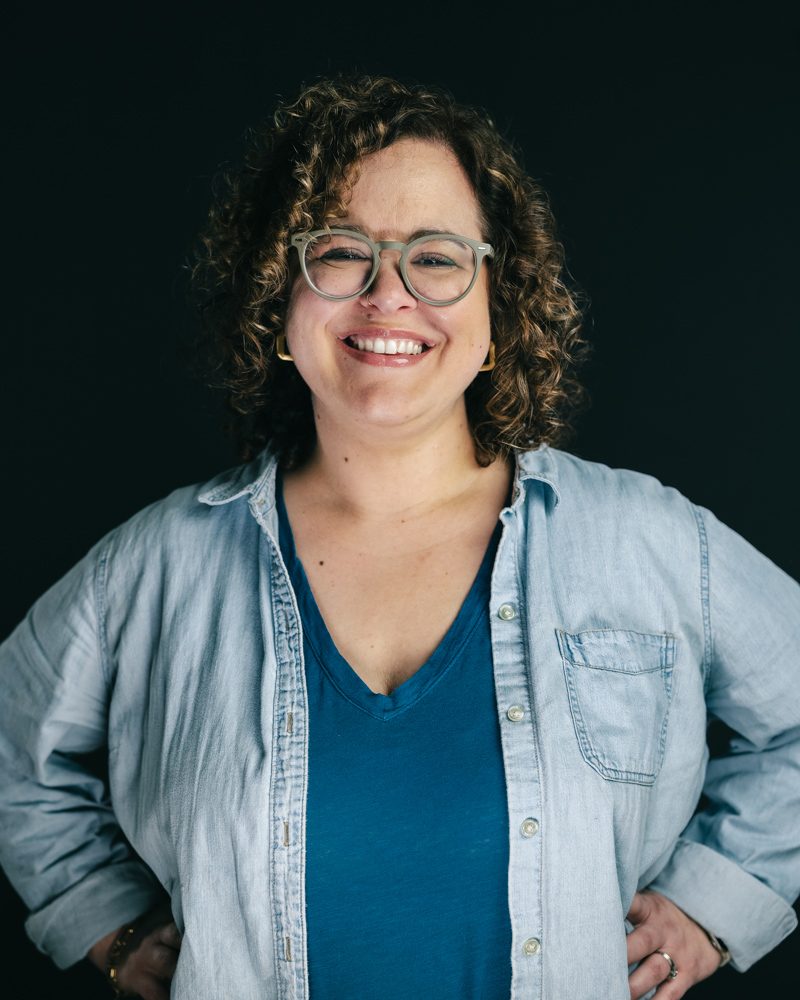
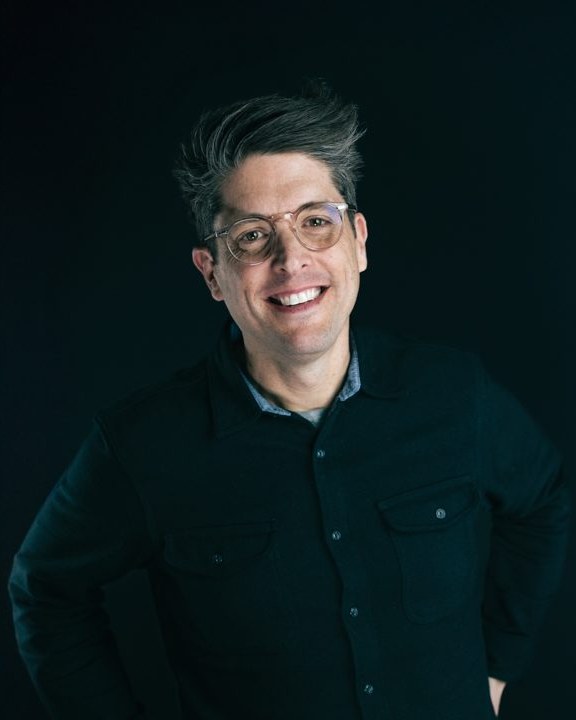
A podcast for ambitious nonprofit leaders who think AI can help their mission, hosted by Colleen Cook and Scott Williams, nonprofit fundraisers who figured out AI. See the whole season