Episode 0625:52Season 1
Ninety-One Assets
91 campaign pieces in eight hours with AI. Here is how it went.
Last episode, Colleen called her shot: one day to build a nonprofit's whole year-end campaign with AI. Here's how it went.
What you’ll walk away with
- How Colleen turned one recorded strategy conversation into 91 pieces in eight hours
- What the 91 were: segmented appeal letters and reply cards, a Giving Tuesday push, nurture emails, social, a case video, call scripts, a hub for the whole team and a card for handwritten thank yous
- Why you can’t just ask AI to “make me a year-end campaign”
- What made it possible: the brain, the brand system and the context built before
- How to steer AI when you don’t have the words yet
Chapters
Transcript
Tap any line to hear it from there.
Colleen
You can't just go to AI and say, go make me a year-end campaign and get something that's good. What I was able to do was build a 91 asset campaign in eight hours. All
Scott
Right. Not bad.
Scott (AI voice)
I'm Scott Williams here with Colleen Cook. Last time, Colleen called her shot. One day, one whole year-end campaign. Today, she reports back. So
Colleen
On LinkedIn earlier today, and it's a fundraising consultant that we both know and really respect, somebody with a big following. And this person was suggesting that maybe this year, organizations like maybe don't send a Christmas card. And it was really a post. It was like, don't send a Christmas card to your donors, but it was really a post about opportunity cost. Man, like we feel this too, right?
Like when you make a decision to spend your time and energy on something, like that decision is that yes, is a no to something else, right? So like thinking about within an organization, like, okay, well, what are we going to do this year? Like when we think about our year-end, when we think about how we steward, is a Christmas card the thing? I just, it was an interesting moment to read that because we're living in this weird parallel universe that is also seeing that we can do certain things that we weren't able to do quickly before much, much faster with AI. And most organizations aren't there yet, but I'm living in this world where we're going to talk about this today, where I built the whole year-end campaign for a nonprofit in eight hours.
It's just an interesting moment to be like, oh, should we or shouldn't not send a Christmas card when it's not just a Christmas card we could be sending, but my goodness, we could be sending so much more than that.
Scott
Every nonprofit has limits on everything. They have limits in time and power, influence, money, assets. And so what we're saying is, is that now you have this like absolutely incredible capability right now. And so let me, let me actually make my point this way. Colleen, if you had one thing, if we're talking about opportunity costs, what's the thing that's going to make the most impact, the biggest bang for your buck?
You know, how can we squeeze all the lemon out of the juice out of the lemon? You know, like what is the thing? You get one thing to work on between now and the end of the year to make your nonprofit better. What is it? For real, what is it?
Colleen
Like, I think it depends on what your nonprofit needs. Are you saying like, if I get one thing to work on to the end of the year as a nonprofit, like where do I focus my energy? Yeah,
Scott
Yeah, I just, I mean, I'd be outside of all the particulars, I just, I'm more getting at like the idea that with this new technology of AI, you really get this opportunity, this one time to really install this layer that would help everything. Like it's rising tide raises all boats when it comes to AI, that you can have initiatives, but every other initiative feels like it's a vertical initiative. Like it's something that, hey, we're going to do, we're going to raise funds, capital funds to do this thing with this building. That's what we're doing. But it's this one thing, it's not, it's a vertical thing that this is a horizontal layer that legitimately can and will touch every single thing.
And the sooner you kind of get to understanding like how to implement it, how to do it, how to bring it into your org, the quicker you will be blown away by the efficiencies and capabilities that you'll now have.
Colleen
Yeah, and this is the thing, like when organizations are asking themselves where to spend their time, this opportunity cost question, they, like I just did, they're thinking too low to the ground, meaning like, well, what's the current like problem in front of us? What are we facing right now that we need to deal with? You know, like we've got, we're working with clients that are going into capital campaigns or they're in a capital campaign and it's not going the way that they need to be. I was talking to a, somebody who's been in a capital campaign for three years. They've got another year left and they just got asked by their county chamber, hey, are you guys still in a campaign?
And they're like, boy, if the
Song: way too quiet
Scott (AI voice)
Okay. Eight hours, one whole year-end campaign. Here's how it actually went.
Colleen
Last episode we opened a loop and it's, it's time to close it. Tomorrow I'm going to spend eight hours and I'm going to see how far I can get building a nonprofit year-end campaign.
Scott
Oh, that's right. Uh, why don't you tell me how that went, Colleen? It
Colleen
Went real good. So, so I, I broke the eight hours into four working sessions, uh, because human beings can't work for eight straight hours and something like that. But, uh, so I spread it out over, um, one long day and then a little bit into the next day. What I was able to ultimately do was go from a strategy conversation where I recorded myself just talking through what I wanted the campaign to be, answering a bunch of questions, thinking through their focus and messaging, what the ask would be, what their goals would be, as well as defining a few things that I wanted to make sure to say or show or focus the, the ultimate like campaign story on and where I saw opportunity in the donor base. So you can't just go to AI and say, go make me a year-end campaign and get something that's good.
You're going to get something that's looks like AI made it. It's going to sound like AI wrote it. It's not going to be personal. And it, if you were doing nothing before, it's probably going to be better than that before, but like, it's also going to undercut your brand because we have this cultural distaste for anything that's obviously AI generated because we long for things to be human and authentic and real. And so from a donor, donor and fundraising standpoint, you want it to be yours.
When you have the context that an AI brain provides, the AI employees that are trained with different areas of expertise and skillsets that understand your work. When you've got a content engine that fully understands how your brand expresses in different forms, then you can do work like this. And so what, what I was able to do was build a 91 asset campaign in eight hours from that conversation. All
Scott
Right. Not bad.
Colleen
So I started off, you know, with a strategy and a plan because I thought, well, all right, take myself, put myself in my director of development shoes and ask like, what's exactly everything that gets done. And so the first thing you need to do is get internal buy-in and approval. So bring the pin, bring the plan together, turn that plan into content direction. And then that content direction became first, of course, a year-end appeal letter, but in the plan developed messaging strategy and pillars and segmentation strategy because particular nonprofit has some segmentation opportunities that I think could be very fruitful. We're just big believers that when you speak, speak the way that people feel seen through, like if you're, if you're saying what people need to hear based on how they need to hear it, they feel more seen and that that fosters better relationship.
So segment segmentation strategy. So we took the appeal letter and we were able to segment into multiple segments. And then we were able to do the same thing with the reply card and the envelopes and, you know, all of that to make sure that it felt really personal to the donors. So I thought, okay, well, this is a pretty cool start. Then thinking through like, okay, let's say this organization is going to launch a Giving Tuesday campaign.
Let's give them a Giving Tuesday push. So a warmup campaign that leads into that Giving Tuesday. So a suite of social content, digital ads, emails that lead into the Giving Tuesday, a Giving Tuesday giving page, case video that lives on that video page, some testimonial videos that live on that page and a way to give, and then a segmentation that turns the messaging post Giving Tuesday for the rest of the year and appeal. So that with that comes another multi-week social media campaign. So Instagram carousels, reels, animated videos.
We put a suite of nurture campaigns and the emails are all segmented, segmented to multiple audiences too, because there's different paths to the donor stories. So thinking about our major donors who are consistent regular givers and being really intentional with gratitude at the front end of that letter helps them to know how appreciated they are. In some cases, you might hold back a year-end appeal letter with a major donor that you're already working with personally. And so even having an expression of that, you can get, just make it a stewardship touch so that they know that you're doing this and they don't feel left out of that. They hear other people talk about the year-end ask, but they also feel recognized in their participation already.
Then we made a personal thank you card, something that you can hand write your thank yous on. And like this kind of gets back to our story earlier on, which is I think that personal touches are the thing that you should be doing. Like I love, I always open a personal thank you note. Like when I get one in the mail,
A word from our pretend sponsor
Like who Throws those away? This episode of If Possible is sponsored by Eight Hours. Do you have eight hours? Neither does anyone.
One whole uninterrupted working day, no meetings, nobody asking where the Christmas cards are. Ask your calendar if eight hours is right for you. Eight hours is not available on Tuesdays, Giving Tuesdays, or any day ending in Y. Side effects may include 91 assets. Eight hours. Where does the time go?
Colleen (AI voice)
Scott does most of his work by talking to his computer out loud all day. But
A word from our pretend sponsor
Sometimes I have to
Scott
Slum it and type. When I have to slum it and actually type, then it's like, oh man, I feel so slow right now. It feels so like I'm just like throttled. It's so frustrating. But it's just interesting how fast you can move on a lot of these things.
And it's just, it's expedited, not just AI is not just expedited the output, but also it's expedited me downloading information from my brain into Claude, which was always communication. It was always conversation. It was always voice or it was communication. And it used to be me typing, but now I can speak and I can't type this fast. And so it's so much easier to
Just say it. It feels like my brain and my thinking process is caught up with my speaking, which is nice.
Colleen
Yeah, I've noticed this as well. This could be a whole episode. We should remember this idea. I saw a different LinkedIn post earlier today or earlier this week about what you've learned about your own humanity from working with AI. And I'm like, oh, that's a great conversation.
That would be a fun one to have. But this is one of the things that I've learned specifically from Wispr Flow, which is one, it has made me, I think just quicker with that connection between what I want and what I say. So I'm super appreciating that strength and skill, but it's also made me more aware of how my mind functions differently in different types of thinking. So when I'm in really creative thinking mode, if I'm by myself and I don't have a thinking partner, I really do that best on paper. I've learned if I can just spend some time and let my mind go a little bit free and write it out on paper, that's when my best ideas come and my most clarity comes.
And there's good brain science to back that up just based on how the brain works and your connection between handwriting and your mind. And then I snap a picture of it and I take it to Claude and then I Wispr Flow about it as I have unlocked the idea. And I feel like I'm having the most creative year of my life. Like we are. I agree.
Scott
I agree because there's always been a layer. There's always been a barrier. There's always been a skill. There's always been something that I did not know that I wasn't able to do. And now because of AI, I now have that ability in AI to do those things.
So the things in my brain, I can get out. I can get out. And as I get them out, I'm like, that's crazy that I was able to do that. And now I want to tell the world about how to do what I just did. And so they can do that too.
And we really love working with nonprofits. So we want to tell them about it because it's just like, dude, this is rad. Guys, do you see what we see? And that's the thing is not everybody does. Some people will look at this and be like, nah, I want to do it old school.
No worries. No worries. We're not here to convince. We're here to just say for those people that hear the rallying cry that are like, we are in a new era. Let's frigging go. That's what we're like, you know?
And so we're like, hey, we just want to just, we want to figure this whole thing out together. And we're pretty far down the road and we figured out a ton of stuff. And we want to show people like, that's really what this comes down to. And so when we show those people on the intensive and it was rad, man, like people were telling us what they were going to do with it, but they were like, we were at this, we were at this spot where they're like downloading Claude. You know what I mean?
Like this is where we were and it's totally fine. But they're walking away. And the biggest thing that we wanted to is see them walking away being able to identify and dream about possibilities. And that's the one thing that we saw from them that they walked away going, wait a second, are you saying that it can do this? And we're like, yeah, they're like, oh, now it's game on.
They were like, I forget. There were a couple of times within it. They were visible like, are you serious? Like, oh, this changes everything. Like it was that kind of moment, which I love.
I am
Colleen
Like, if I'm being really honest, it's the thing I'm the most looking forward to as we do this is when you unlock that thing that you've always kind of dreamed of and you know how to do it and you now have everything in place that you can do it. It is so flipping fun to make that thing happen. Like you and I have been doing this all year, but like, especially right now, truly, I think I started dreaming about a way to build campaigns that were like high touch and then get it really well tracked in one, like one single report that pulls everything together so that you can constantly be optimizing. I have been dreaming about that for like eight years and I've tried everything in my power to make it happen.
Scott
Bro, we tried, we built a company, a software company to do this like, and did not work out. But this was the core of what we were doing is like, we need to wrangle data and data needs to be flexible. And once you figure that out, then the expression of that data can be anything. And we felt like we did. It didn't work.
That's okay. But now what we're saying is the core of that idea is found in AI. I mean, like all nonprofits have to do is just follow some steps that we have and they're like cooking with gas. It's crazy. Dude,
Colleen
It's right. It's like, we're, we're building the things that we, we've dreamed about for years really, really fast. And they're, they're doing the things we wanted them to do within the organization. And that starts to compound, like, like that's the bit that's, I think just so interesting is like the compounding effect of making, getting your capacity back within your team and also doing the work that you really want to be doing a little bit better. If
If Possible Theater
Possible Theater presents The Overnight Suit. I need a suit for tonight. I tried the new machine across the street. Eight seconds, three legs, and the pocket says your name here.
Mr. Pemberton, the mayor's gala, 31 years, sir. Left arm a half inch longer, shoulders proud, and a little inside pocket for the goldfish. He gets nervous at parties. 1951, your first interview suit, you were shaking. '58, the promotion, you stood an inch taller.
And last spring, a little looser in the chest. How is your mother? Better. Thank you, Mr. Pemberton. I can do it by lunch, but the machine only took eight seconds. The machine met you this morning.
I've been measuring you for 31 years. Something else that I was able to make for
Colleen
This campaign that I thought was really cool and something I haven't really seen before was an internal hub. So there's this microsite that I built that has the strategy, the plan, all of the assets they would need. So if there's copy for social media, you can jump into the content calendar, grab the copy out, anything like call scripts, things like that. All of that lived within this hub so that your internal team, if you have one or you have some board leaders that want to partner with you in this, has a single place that everybody can work from. And then we were able to fold in the reporting for that there.
So we have a client who just, they just put their first board report together, AI First, and they were like, "Holy mackerel." Our board loved being able to see this interactive asset that gave them a deeper and a better understanding visually than they've ever had. And it made us look really awesome. Yeah, it was
Scott
Really fun. That was a good moment. I totally agree. Yeah. And so you did all these things. You built all these assets. You did all of that kind of stuff because, but the reason why you were doing that is because you wanted to show nonprofits what is possible, like what could be done for a year-end campaign.
And we
Colleen
Took an AI First approach to our own campaign. And you know, like a year-end campaign, marketing campaign, it's all the same. It's all the same pieces. What's distinct is how you message it and how you approach it. But the work is the same.
Scott
Yeah, it's 90% the same. I mean, there's some things that are sort of, but at the core of it, like the movements are, I have something to tell people. I want them to take action on something. And then when they do, we got to fulfill whatever. It's just like a bunch of things that are very broadly the same kind of stuff.
So we just did it for this. Yeah.
Colleen
So tell us the story about how you built like the ad creative all the way through pushing that live. Cause I think that that is, I mean, this has been our work for years and we know what it takes. And like, we launched a similar campaign a month ago for our other company and it took us, I think, I don't know what your time was on it, but I know that like our team time on it was probably between 20 to 30 hours to launch an ad campaign like this and the email campaign. We
Scott
Have one ad that's live with you in that vibe just stripped down. And then we put it through Claude Code with a different skill in it called Remotion. And then I just said, make it look awesome. Like really truly, I said, go into a, ifpossible.ai, catch the brand vibe. Like I was in a different, whatever, it doesn't matter, but it pulled it and it just did the thing and it made a really sick ad.
It
Colleen
Really did. I watched it like five times going, holy cow, I can't believe this just happened. Yeah. And it was like,
Scott
Again, I just gave it the right context, right. Packed it full of the right things and then, and then said, make it. And then it did. And it was just really, really good. Colleen had a challenge and that challenge we talked about that the challenge is how much stuff can she create for a year-end for an actual nonprofit?
And she ended up creating 91 pieces that she's going to give to the nonprofit they're going to use. And it's segmented out in just all the smart strategic sort of ways that she just walked through AI. And what made it all possible was everything that she had been building before for the client, which is the mission brain, which is where everything is stored. It's all of the employees, the AI systems, like all of this stuff that makes creating this level of amazing, incredible non AI slop, but AI excellence sort of content.
Scott (AI voice)
How do you steer it when you don't have the words for what you want yet?
Colleen
Because we've worked in an agency context for such a long time. So we're used to getting direction to creatives, to producers, people who create things and telling them what we want to see different. So we've got like a really rich vocabulary around that where it's not your normal job. It might be something that you need to develop and learning how to, how to give that direction, I think is a really skill to start to work on of just saying, hey, this is what I want. Give me some options, ask me some questions, help me, help me understand how to make the decisions.
Don't just make them for me, AI tool. And, and then take screenshots of things that you like and don't like so that you can help shape what it looks like. I think
Scott
That's a pretty big one is that if you tell AI, I want to make this look really good and I want to give you all my opinions, but I don't know what I need to give you opinions on. And I think that you do so give me all the ways to ask me questions so you can understand my opinion on something. And then it will go, Oh, totally get what you're talking about. Here is an app that I'm just spinning up out of nowhere that has truly like 120 decisions that you can make in 10 minutes that will really define everything for it. And you're like, Oh, sweet, no problem.
And it's just, Oh my gosh, I can't believe I can do that right now. You know, like this is a weird world that we're living in. And as long as you just know that and we'll walk you through it, you will then get everything that you wanted, but didn't know how to say the thing that you wanted. And now you get all of this great stuff that gets produced in exactly the way you wanted it.
Colleen
You're so onto something with what you're saying. I was, I was on a walk with a friend this morning and this, this friend just got hired at a huge nonprofit in a fundraising team. And it's her very first fundraising job. And she's like a little bit nervous. And I was like, dude, you shouldn't be, you live in the world of AI.
Anything you need to learn, like you've got all of that information right there for you. And so like this, this idea that you can use the, ultimately the chat function of using an AI tool to help you shape your own strategy and understanding by just displaying for you the options and letting you make those choices along the way to build the strategy helps you to form your own thinking on the end places where you might not already have understanding, you might not already have like good vocabulary for certain things. And yet you still get to speak into how the, how the, you know, sausage gets made, so to speak.
Scott
Here's a big thing that you kind of have to think about is that AI now can do something called computer use. And it just uses a computer. You can watch it. It'll use your computer. It will take over your Chrome and your Chrome is signed into your GoHighLevel.
Your Chrome is signed into your Meta account, your Google account, your email, your everything. And then you just talk to it and say, Hey, I need to figure this thing out. This is what I needed to do. I needed to do this, this, this. And then you tell it this, this is what you do.
This is the secret sauce. This is so much of what I do. I say, this is what I need. Then I say, you're a strategist. Let's be thinking partners.
What do you think? You heard what I want to do. You tell me what you think that I should be doing too, that I haven't considered yet. Think through with me. And they're like, Oh, sweet.
And then they like uncork a whole bunch of ideas. And I'm like, yes, no, yes, no. I'm still the human in the loop. I'm still the purveyor of taste. I'm the person who does it.
And so then I say, yes, no, yes, no. That comes back with more. And then I'm like, all right, here are the ideas. Here's what we're doing. Now I need a full implementation strategy.
If we were to do this, how are we going to do this? All right. This is how we would do it. Okay, great. Then at the very end, I say, go do it, go do it, go do it all. So
Scott (AI voice)
You with. If anything were possible, what would you
Transcript made by machine from the episode audio, so a few words may be off.
Want help putting this to work at your nonprofit? Talk to us
Start with these three
All 10 episodes

The show
If Possible
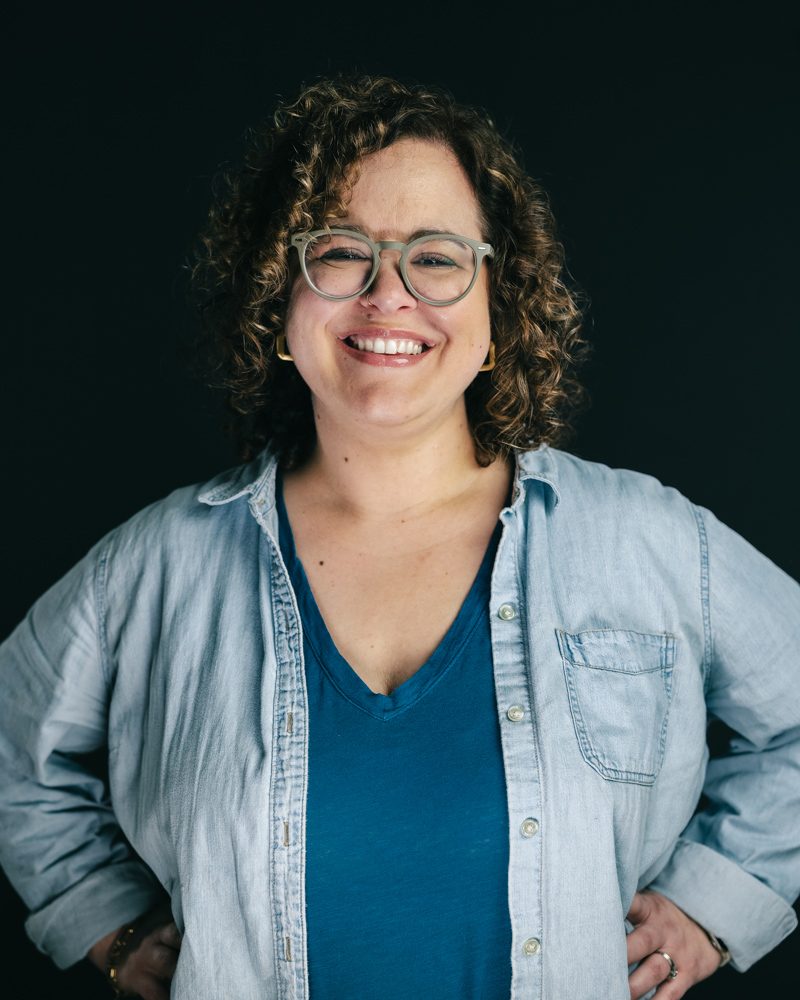
A podcast for ambitious nonprofit leaders who think AI can help their mission, hosted by Colleen Cook and Scott Williams, nonprofit fundraisers who figured out AI. See the whole season