Episode 1022:34Season 1
If Possible
If anything were possible: why AI is the great equalizer for nonprofits
A few times this season, we've left you with one question. In the Season 1 finale, Colleen tells where it came from: a nonprofit whose dreams always came with the limits built in.
What you’ll walk away with
- Where the question behind the name came from: a nonprofit whose dreams always came with the limits built in
- Why AI is the great equalizer: for-profits will use it to do more with fewer people, and nonprofits never had enough people to begin with
- Why this is the best time ever to be a nonprofit, even on a small budget
- The telephone operator who is so much more than a telephone operator
- What changes when a nonprofit builds the right system, and why your North Star might be closer than you think
Chapters
Transcript
Tap any line to hear it from there.
Colleen
It's the north star that you're never gonna reach. Well, here's the deal, baby, we got a spaceship.
Scott (AI voice)
I'm Scott Williams, here with Colleen Cook. A few times this season, we've left you with one question. Today, where that question came from.
Scott
So, nonprofits and AI, oh my gosh. I think this is the craziest time for nonprofits. AI, it's wild. I'm gonna try to explain something that here's what's happening with corporations for profits, like the ones that are out there making profit, 'cause that's why they started the business. Business was started to make profit, so you got that.
And those folks will look at this as AI matures and they will lay off more people, we all know that. This is not new information. But the reason why is because their motivation is profit. And so they will be letting people go because AI can do more. So it's like letting people go, AI can do more.
Nonprofits, I can speak in a very broad, like that is not the problem. No, the problem is the exact opposite is that there is not enough people to do the work. What for profits are figuring out is there's all this work and now we don't need people. AI is the great equalizer for nonprofits.
Colleen
Nonprofits are not afraid about losing jobs, they don't have them to lose.
Scott
Nonprofits, it's highly different. Nonprofits is already starting in a deficit. So they're already in debt. And then somebody came over and said, "Here's a million bucks, do you want it?" And now you're in the black.
That's where we are.
Colleen
Couldn't agree more. I just think that like the thing that I'm already witnessing with the nonprofits that are early adopters in their work is I think that there's this, when there is more work than there is people for a sustained amount of time in an organization, you stop hoping that can get better. Like your ceiling drops on what you think you can do. And so there's just like, and in part, like one of the things that led to the name of like this podcast in our company is like, if anything was possible, what would you be doing? It came out of a conversation I had with a nonprofit where they, I was like, "Hey, what are your dreams for the organization?"
And every time they would like start to dream, it always felt like a not very big dream. Like it was just like a, it had built in assumptions of within our current staffing, within our current ability to do this, because you're just, you're subject to so many things outside of your control when you work in a nonprofit. Like you may have a board that doesn't give the staff a lot of authority, or maybe you do have a lot of authority, but you don't have the resources. And maybe the resources are decided by funders that are not necessarily going to be consistent, or maybe like the government has, like the government funding cuts have trickled down into like really felt things. Or maybe it's just like economically, there's tension around donor's ability to like be generous in this season in ways that they had in the past.
So you're just constantly like chasing something that is limiting what you can do. So eventually you just learn to live within that box and say, well, this is as much as we can do for this problem that's in front of us. But then it's like, it's always in tension with the people that work in nonprofits. They are there because they really care about what they're doing for the most part. Like they have this like calling, this drive, this need to help the people that they're serving, especially if they are like program facing.
You see these, or founders, like they did, like they aimed their whole life around this problem that they feel called to address. And they're so sacrificial. AI, when you work with it really well, can close that gap in work. In every dimension of your work, it can help. It can extend, it can expand, it can deepen, it can improve.
You don't even know where to begin a lot of times because you've never allowed your mind to go there though. ♪
Song: it's a beautiful place, baby
Scott (AI voice)
Great equalizer, what's holding nonprofits back? Colleen dug into a national report on exactly that. Let's start with the
Colleen
AI out of pocket. They're not getting funding that support what they need in order to integrate widely within their organization. So it was like 41% report only having a sub $5,000 budget for AI implementation. And that includes licenses, software, hardware, training, everything. That is really interesting because I think that we're seeing this funding issue as a major barrier.
No, it's not. This is the best time ever to be a nonprofit because the funding that you think you're gonna need to get started here is pretty minimal. And a lot of it is already offset by nonprofit licensing to these apps. Where you need to invest, I think is more in training and infrastructure than it is in, and even in infrastructure is like, I mean, as long as you've got computers that can process this a little bit. So anything in the last like five years old should be able to hang here.
Everything's in the cloud. These are small software subscriptions. This isn't like buying a CRM. This isn't like buying a server. Like it's implementing AI can happen at like five to $20 a seat per month.
It's not, we're not talking a major, major software budget here.
Scott
Right, yeah, software is not major. The strategy and how to do it, I think that's the hardest part because, and here's, I thought was interesting about the report was 57% of executives have no budget designated for AI. And we're talking about even orgs that are 10 million and new north of that. Why? Okay, that's my question, Colleen, why? Why are half of nonprofits not thinking about, hey, we need to implement this, even though almost all of them are, and almost none of them see, but they all know that this is the future, but they're none of them are seeing it and none of them are planning for it.
What up?
Colleen
The lack of budget here comes down to a couple of things. One is most nonprofits have really felt the last couple of years really hard. There's a lot of funding that had existed post COVID that is no longer here. There's a lot of funding that had come from the government that is no longer here. The downstream impact of that is being widely felt.
So I think that that's number one, it's like when you have a tight budget already, you're not investing in new in most cases. And if you're thinking about AI, like you've thought about every technology investment in all of their working life, you're probably looking at that as another thing that we need to do, a new endeavor that we need to invest in when we have funding to support. But number two, I don't think that, and this data really supports this. I don't think anybody's proven how transformative of an impact it can be. So like, for instance, you and I have been running our businesses, AI First, all for, well, I mean, for a couple of years, but really in earnest this year.
And when I hit, I hit my usage limits this week. When I hit it, I don't care because whatever hundreds of dollars I'm going to spend in overrun is less than I would have spent outsourcing the work that I was going to do. And so I see it as a cost savings, not an added cost. Why? Well, because I've already felt the benefit of the AI usage in our work. And we felt the gains in the organization and we felt the transformation on our team.
And so we know, oh no, it's a no brainer. Like in the same way is like, we live in a small town where you could absolutely walk or ride your bike everywhere. If you live somewhere where you need to drive and your car breaks down, you're going to rent a car. Why? Because it's going to, it's completely inefficient, doesn't work with your life to walk. That's the kind of technology shift we're talking about here.
I don't think most organizations have felt that or know that just yet.
Scott
Yeah, I completely agree. It's a little bit like AI, everybody's talking about AI, but then when people actually get into it and they're like, cool, it can help me write emails and that kind of stuff. And then when we're showing people what we're doing, they're like, what is, I didn't even know, wait, what is this? What's going on? And so it's that, it's the gap between what most people perceive AI's impacts and value that it brings to their life versus what is actually possible.
And it's that gap I think is where most people are going to be finding out over the coming years, most specifically in nonprofits, how they are doing. We are working with nonprofits right now that as they're implementing AI in the way that we're training them to do that, they are consistently walking away from each meeting with their mind blown, pumped, excited, go implement that, come back with success stories and excitedness. And it's like, nobody isn't that way with us. And that's the thing is that most people are like, AI, you mean the button inside the software that I've had for 15 years? And they just put that in there.
Is that what you mean? No, no, it's something entirely different.
Colleen (AI voice)
So where does AI actually show up in a nonprofit? Scott thinks of it like a roulette table.
Scott
This, if you think of like a roulette table, you know, the ball lands on something. I feel like you can put any aspect of a nonprofit on there. Like we're talking like normal business stuff of like you probably have to do marketing to some degree or sales or donor, you know, like those kinds of things. There's a bunch of things you got to do. So you put all those around the roulette table and it's almost like, let's spin it and let the ball land on one of them.
And then we can rip on that for awhile about how AI deeply affects that thing. You know, that this is a horizontal layer. This isn't vertical. You know, this is something that touches every single aspect of the nonprofit. And if you can get to the point where you are starting to build systems, like it blows people's mind what's possible because the wild thing is, like I was saying with the analogy before, is that there is so much work that needs done.
And now you have the ability to do all the work that needs done. Maybe not all the work, but you do. Think of the things, okay, telephones come out and there are handboard, hand switchers, you know, they grab the thing. We all remember those things. Those died out, you know.
That's work that no longer needed done because it's now being done by a machine. There's so many things that now are happening in 2026 that you have to think that way. It's like, this is work that needs done in my nonprofit, but does it need done by me?
Colleen
Boy, telephone operator is a great analogy for this because I think that where fear creeps in for people is like, but I'm a telephone operator. No, you're not. You're so much more than that. Like, that's just how you've had to spend the time because that's as far as technology could cover it. But what you are is a human who is gifting and calling and the purpose and like, go use that better.
What if that work that's floating your team's week gets freed up? So like this one person, her week was spent doing like three things, basically. One is keeping up with the basic event promotion for their organization. So that on social media was pretty much their whole social media strategy of like, we've got to promote this event because we got to sell the event in order to stay afloat. So like building graphics in Canva and like trying to like write posts for social.
The other thing she was doing a lot of is like customer service stuff. So it's like they sell information products. And so access is always like, oh, I didn't get this email. Oh, you typed your email wrong. That's why, you know, like that kind of stuff.
And so just following up with people. And then the third thing, and this is a time where like a lot of her time was spent is managing event registrations and getting, making sure that people are where they need to go, organized into groups. Like they've got clear communication on everything. When I asked her, like, hey, if anything is possible, what's the work that you would no longer be doing that still has to get done? It was like so fast for her to say like, oh, it's this.
And so we just build a system that can do it, that can do it her way. Do it as well as she's doing it in some ways better because she's like, oh, now I can have it do this. Oh, that's cool. I've never had the time for that before. And it's all like automated.
And her social media has completely changed because she's able to like in an hour produce a month worth of content. Like that's what she's doing right now. And she's getting compliments on it. And like, that's the stuff that I think, I don't know. I just don't think a lot of people even know that that's possible yet.
A word from our pretend sponsor
This episode of "If Possible" is sponsored by Busywork. Got a calling, a mission, a reason you got into this work in the first place? Busywork can fix that. Retype the event registrations.
Resend the email they swear they never got. Rebuild the flyer again. Busywork may cause long days with nothing to show for them. Side effects may include becoming a telephone operator. Busywork, look busy.
So what happens
Colleen (AI voice)
When a nonprofit actually builds the system? Our team has been building one for a children's museum.
A word from our pretend sponsor
One
Scott
Of the things that we're doing is like taking all of their information, like every single like nook and cranny and putting it into a brain. It's a mission brain. It's the everything that holds everything that it does. And there are different segments of that brain. So some of it's private.
Some of it is public. In public by meaning like anybody in the nonprofit can view it, not public in the whole world. Yeah, so it's just like, okay, you can do that. But financial stuff, only one or two people need to see that, no problem. And so we do that.
But then we also have building their website in AI. And so much so that now the way that they add pages, make corrections, make anything, all they do is they open up Claude or ChatGPT or whatever, it really doesn't matter. And they say, this is what I want. And that's it. They just say, this is what I want.
And then it says, you mean like this? And like, yep, I do. That's what I meant. It's just like that. Or make the change and then you say, great, publish it.
And it's a whole entire process. I mean, like it's wild what we're able to do now. This nonprofit, they can just talk to their computer and say, blah, blah, blah, blah. And then it'll be like, cool, this is the page that I think we need to create. Does this sound right?
Here's the slug, here's everything, all good? Yes, done. And you're like, what just happened? What is happening? But with the right system. And that's the thing, like that's the rub is that this is the challenge truly is that I'm speaking to you nonprofits.
If you have tried AI and you're like, it's cool, I can help me with emails, that kind of stuff. If you build a system around it, you will think about AI differently. You just will. Because if it taps into something that always knows who you are, it's like bringing on an incredibly smart person that knows everything about the history and every nook and cranny of your org 100%. And then you can just ask it questions.
But then even that you might even think, 'cause this is the big challenge is once you've done that, then you're still like, yeah, right, but what is possible? Like, what can we do with this? We were just talking about one of these things that you can do with this new system, like in this conversation where it's like, if you have a transcription of meetings, you can do infinite things with that. And you can build AI employees, however you want to think of it, systems, whatever, that nightly do things on your behalf and show you that thing the next day. It's just wild what is possible now.
And you now, as a nonprofit, have the power of a much larger org. You have to think of yourself truly as, let's say you're a 10-person shop, a nonprofit who has 10 people in it, 15 people. You need to double or triple, maybe even quadruple, the power of what you're able to do. But like, the example you just gave was kind of like their whole job. And now they're like, oh, I don't have that work to do anymore.
So what do I do with my time? Different, more beneficial things for the ministry, for the nonprofit, whatever the thing that is you're doing.
If Possible Theater
If Possible Theater presents Three Wishes. At last, I am the genie of the lamp. Three wishes, anything you desire. Anything? Anything.
Could the copier stop jamming? Done. Madam, I have toppled empires, wish bigger. Okay, okay, one more volunteer, Tuesdays. Tuesdays? Just the morning shift. Hi, where did the cans go?
Last wish, you could end hunger in this whole county. With our current staff? With magic. The board would never go for it. I'm a genie. Fine, I wish our goldfish had a brain. Done. Marjorie, we need to talk about your first two wishes.
So back to that
Scott (AI voice)
Staffer at the ministry, her whole week used to go to registrations and email.
Colleen
She's not afraid of losing her job. She knows there's infinite work that needs done. She's pumped because now she has the time and the capacity to focus on the thing that is gonna scale their organization in a way that like they've never been able to dream about because they didn't have the funding to support the staff to get there. Like that's the thing that like, it's the mindset shift that I think every nonprofit needs to have is that like, whatever it is, I remember when I worked in nonprofits, there's different definitions of what a vision is. Everybody's got their own like, this is what a vision means.
But the way I understood it was, it's the North star that you're never gonna reach. Well, here's the deal, baby, we got a spaceship. You can, like your North star isn't far enough and out there yet. It probably can be, you can get a lot closer than you've ever been able to, to whatever it is. So like, do you have a food pantry and you could be serving people way better if you had this service, this service, this service.
Let's build the path that brings your team up to do the work to get there. Whatever it is, what are they spending all their time on? Are they like, we lose so much time to unnecessary work, well, necessary work that doesn't necessarily have to be done by a human.
Scott
That's it right there. This is necessary work that doesn't necessarily have to be done by a human. Like that's really what this thing is. Because it's work that needs done, it's always has been this way. Take a look at literally just go back hundreds, decades, hundreds, thousands of years that every single time a new technology came out, you just have to do a little bit of redefine of what work is.
It used to be that humans would go out with hand-built tools to plow fields and it took forever. And then they said, why don't we strap one of these things, make it bigger and put it on an ox? Okay, let's do that. And then boom, now we're plowing fields five times faster. And then somebody was like, wait, what about a tractor?
Now we're talking about 10 times faster. Like what's gonna happen next for farmers? I don't know, but farmers aren't gonna look at that new tool and say, I don't know, man. They're gonna, I don't know about that tool. They're gonna, might take my job.
No dude, stuff needs farmed. You know, like there's always like it just, maybe you can do more, maybe it's not as backbreaking. Maybe you're sitting in the tractor trailer with AC. Come on, let's love this a little bit. Why are you there?
Most of the time it's because like you care about this thing and so if you care about it, then why aren't you doing more? It's because I don't have enough time. Okay, cool, what if you had a tool that could get that time back? Because it can do some of the things that just quite frankly, it's 2026, doesn't need to be done by a human, just doesn't. So if we can offload that to something else, what else would you spend time on that would further the thing that you do?
That's all this question is. What's possible? What's the next thing? What do you want to do? If you could get rid of the things over here that could free you up to do these things over here, is that something you'd like to do?
That's possible today, it's really wild. Let's just get meta for a moment. Why are things hard? It's because oftentimes I just don't see a way through. I'm not skilled, I don't have that bone in my body.
I'm not, I just can't get up and ask people. You know, like whatever, like there's a thousand things that we tell ourselves that make it hard. Sometimes lifting a thousand pounds is a thousand pounds. But I have this, like in its part, like there was a guy who just lifted over 1100 pounds, broke a world record. It's unbelievable like what the human body can do, like that kind of stuff.
But also when my son Henry was two years old, there was a tiny little tricycle and I said, let's pick it up off the, and he picked up and he goes, it's heavy, I can't do it. You know, it's like, you can do it bro, you can do it. And this, we just live in this moment right now where there's so much that's possible that you can do it.
Scott (AI voice)
Of "If Possible." Thank you for spending it
Colleen (AI voice)
We've asked you one question a few times this season. Now you know where it came from. So one last time, if anything were possible, what would your nonprofit be
Transcript made by machine from the episode audio, so a few words may be off.
Want help putting this to work at your nonprofit? Talk to us
Start with these three
All 10 episodes
The show
If Possible
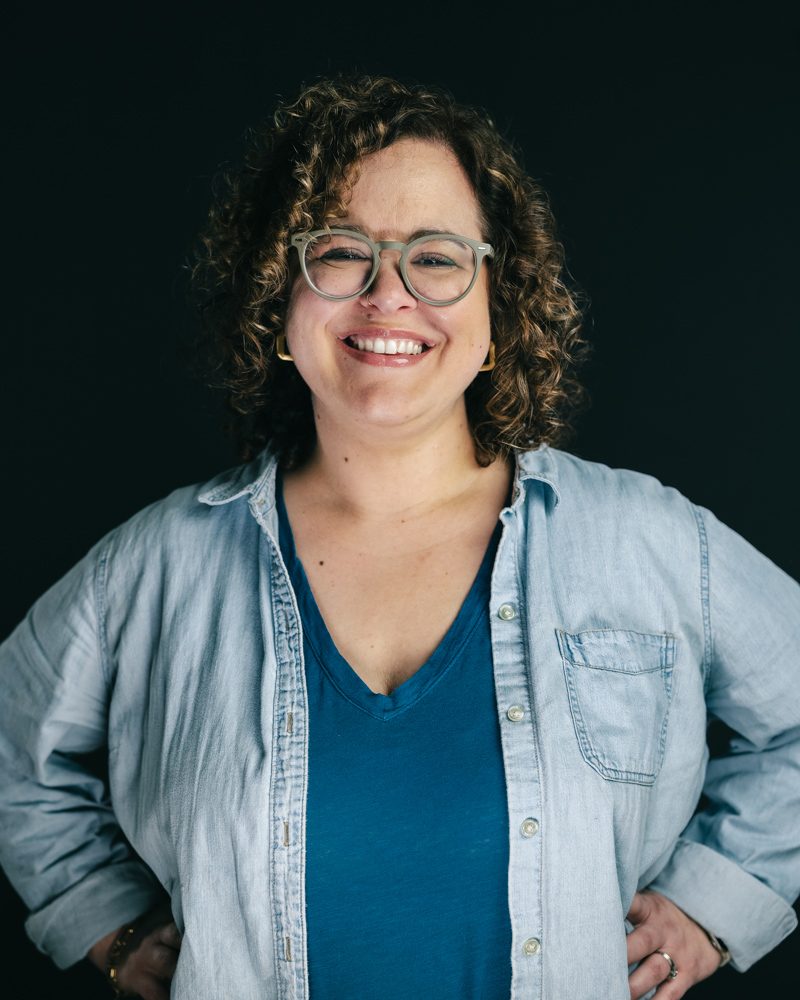
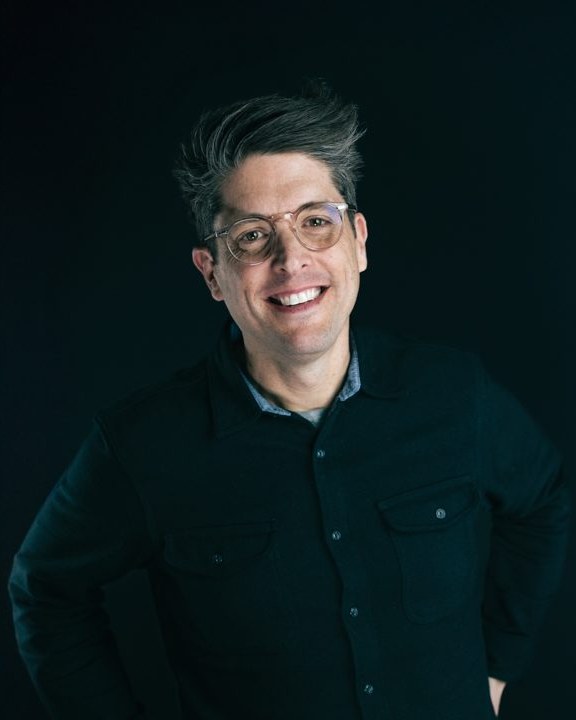
A podcast for ambitious nonprofit leaders who think AI can help their mission, hosted by Colleen Cook and Scott Williams, nonprofit fundraisers who figured out AI. See the whole season